Medieval French Ceramic Vase Styling for Modern Rooms
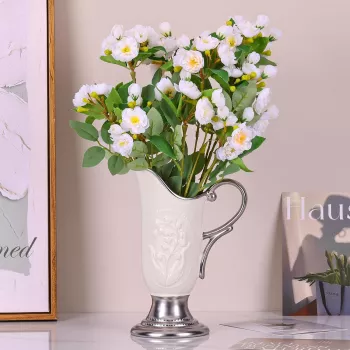
Medieval French-Style Ceramic Vase: Old-World Romance for Modern Rooms
A medieval French-inspired ceramic vase brings a sense of old-world romance to modern rooms—think château charm, aged-glaze character, and a sculptural silhouette that looks finished even without flowers. Use it as a focal point on a mantel, sideboard, or shelf, or layer it into an eclectic vignette with books, candlesticks, and natural textures. For more guidance, see China and Greco-Roman Antiquity: Overture to a Study of ….
What makes the medieval French look distinctive
The medieval French aesthetic isn’t about perfection—it’s about presence. The appeal comes from forms and finishes that feel collected over time, like a piece that could have lived in a stone farmhouse or a candlelit château. For further reading, see Gorgeous Ornate Old World French Country Green Distressed ….
- Silhouette that feels hand-shaped: Rounded bodies, narrow necks, and slightly irregular contours read as artisanal rather than factory-perfect.
- Surface character: Subtle speckling, crackle-style glazing, or patina-like variation suggests age and history.
- Old-world proportions: A sturdy visual “weight” at the base with a narrower opening frames stems or dried botanicals without looking fussy.
- Decorative versatility: Works in cottage, traditional, French country, dark academia, rustic, and eclectic interiors without requiring a head-to-toe theme.
If you enjoy learning the broader history behind ceramic traditions, the Victoria and Albert Museum ceramics collections and the Metropolitan Museum of Art’s Timeline of Art History are helpful starting points for context on forms, glazes, and decorative influence.
Where it fits best at home
A medieval French-style vase has enough visual weight to stand on its own, but it also plays well with everyday objects—especially when you let texture lead the styling.
- Entryway console: Pair with a small tray for keys and a framed print to create a welcoming, curated landing zone.
- Dining table centerpiece: Keep the arrangement low for conversation—olive branches, eucalyptus, or a tight cluster of blooms.
- Fireplace mantel or bookshelf: Use the vase as an anchor object; flank with candleholders or stack books for height variation.
- Bedroom dresser: Soften hard lines with a matte ceramic texture; add a small dish for jewelry to echo the artisan feel.
- Kitchen open shelving: Balance practical ceramics (mugs, bowls) with one statement piece that adds warmth and story.
Styling ideas for a château-inspired arrangement
Château styling feels layered, calm, and intentional—never cluttered. Aim for a “collected” look by mixing natural materials, aged finishes, and negative space.
- Dried stems for lasting impact: Wheat, lavender, bunny tails, or preserved eucalyptus emphasize an antique mood and don’t require constant refresh.
- Single-branch styling: One gnarled branch or a few long stems can look intentionally sparse and sculptural.
- Tone-on-tone layering: Place the vase against linen, aged wood, or stone-like surfaces for a quiet, refined palette.
- Contrast with metals: Antique brass, iron, or pewter-style accents reinforce medieval cues without feeling costume-like.
- Cluster styling: Group with two smaller objects (a candle and a book stack) to form a balanced triangle composition.
For an evening-ready corner, add warm, low lighting nearby. A compact entertainment setup can also complement the vibe—pair a moody shelf vignette with something like the Mini 720P HD Projector with WiFi 6, 4K Support & BT 5.0 for film nights that feel cozy and curated.
Care and display tips for ceramic vases
Ceramic is durable, but it benefits from a few simple habits—especially if you’re placing your vase on wood furniture or using it with fresh water.
- Protect surfaces: Use felt pads or a coaster on delicate wood to prevent micro-scratches from ceramic bases.
- Cleaning: Wipe with a soft, slightly damp cloth; avoid abrasive scrubbers that can dull certain glazes.
- Water use: If using fresh flowers, confirm whether the vase is watertight; if uncertain, place a slim glass insert inside.
- Prevent tipping: Keep heavier arrangements low and centered; avoid overfilling with tall stems in high-traffic areas.
- Light and heat: Keep away from extreme heat sources and sudden temperature changes that can stress ceramics.
Quick guide: display, flowers, and upkeep
| Use case | Best approach | Helpful add-on |
|---|---|---|
| Fresh flowers | Use a watertight interior or a glass insert; change water regularly | Slim cylinder glass insert |
| Dried botanicals | Lightly fan stems; avoid overcrowding the opening | Floral foam (dry-safe) or stem grips |
| Shelf styling | Center the vase in a vignette and vary heights around it | Book stack or small riser |
| Table centerpiece | Keep arrangements low; choose a few statement stems | Runner or tray to frame the piece |
| Routine cleaning | Soft cloth and mild soap if needed; dry fully | Microfiber cloth |
A simple checklist before choosing placement
Product spotlight
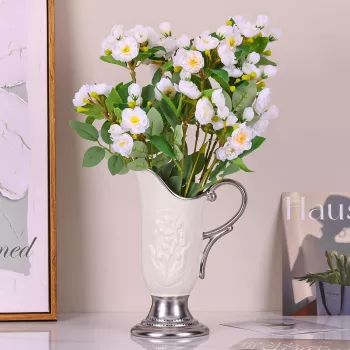
- Medieval French-Style Ceramic Vase: A decorative ceramic piece designed to bring old-world charm to shelves, consoles, and tabletop vignettes.
- Works well as a standalone accent or paired with dried stems and natural textures for a layered, collected look.
- A thoughtful gift for housewarmings, weddings, or anyone drawn to historic, romantic decor styles.
To round out a “collected” feel beyond decor, a refined accessory can echo the same timeless sensibility—consider the Women’s Leather Backpack Purse as a practical piece that still reads classic and heritage-inspired.
FAQ
Can a ceramic vase be used for fresh flowers?
Yes—if it’s watertight. If watertightness isn’t confirmed, use a glass insert or liner to protect the vase and prevent moisture from reaching furniture surfaces.
What flowers or stems suit a medieval French-inspired vase?
Dried lavender, wheat, preserved eucalyptus, and olive branches all complement the antique mood. Keep arrangements airy or minimal so the silhouette stays the focal point.
How should a ceramic vase be cleaned and maintained?
Dust regularly and wipe with a soft, slightly damp cloth, avoiding abrasive cleaners that can dull the glaze. Dry fully after cleaning and use felt pads underneath to help protect furniture finishes.









Leave a comment